

Recently, Professor Zhang Lian, President of Chongqing Haifu Hospital, was invited to give a lecture at the 2nd Annual Meeting of the Malaysian Society of Gynaecological Minimally Invasive, Robotic and Ablative Surgery (AMRAS). He shared advances in real-time imaging monitoring and technological innovation in focused ultrasound ablation surgery.
Founded in 2024 by a group of physicians passionate about minimally invasive and ablation technologies, AMRAS aims to promote the application of minimally invasive, robotic and ablation technologies in gynecology, including microwave ablation, radiofrequency ablation and focused ultrasound ablation.
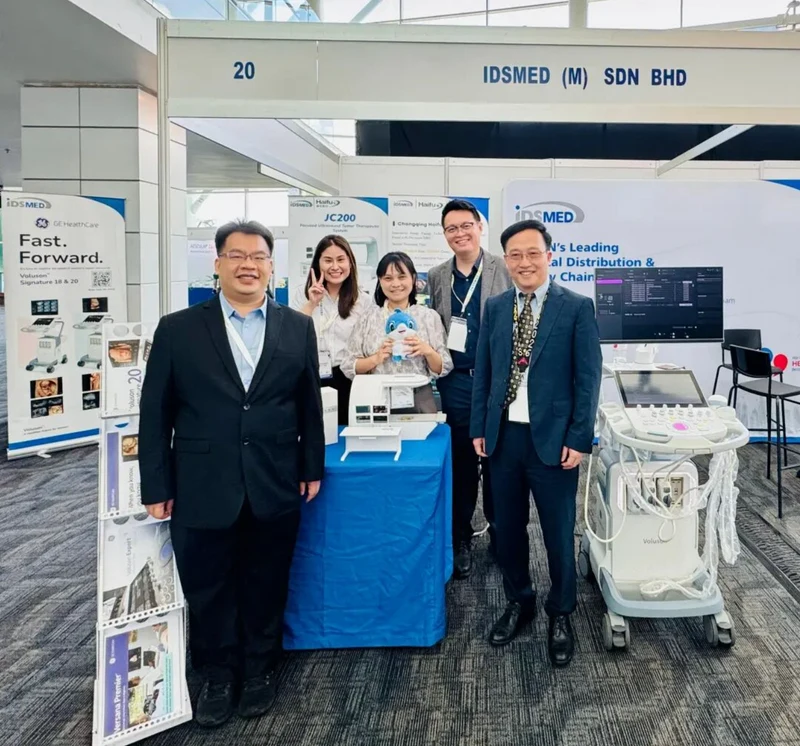
The meeting was held from June 5 to 7, 2026. Experts from Japan, Thailand, Singapore, Indonesia, China and other countries shared their experiences at the conference, attracting more than 300 obstetricians and gynecologists from various countries.
Among all current techniques for treating uterine fibroids and adenomyosis, focused ultrasound ablation surgery is the only non-invasive treatment and has been widely used in the treatment of uterine fibroids and adenomyosis. At the meeting, Professor Zhang demonstrated the fusion of real-time ultrasound images and MRI images in focused ultrasound ablation surgery. He also outlined the development direction of new ultrasound monitoring technologies designed for the focused ultrasound ablation treatment environment.
He noted that progress in real-time monitoring technology will further drive the development of focused ultrasound ablation. At the same time, Professor Zhang emphasized that, with the development and emergence of various technologies, clinicians are facing greater challenges. Only by continuing to learn and gaining a comprehensive understanding of different technologies can physicians remain true to their original mission, provide patients with the most professional advice, help patients choose the most suitable treatment option and ultimately benefit patients.
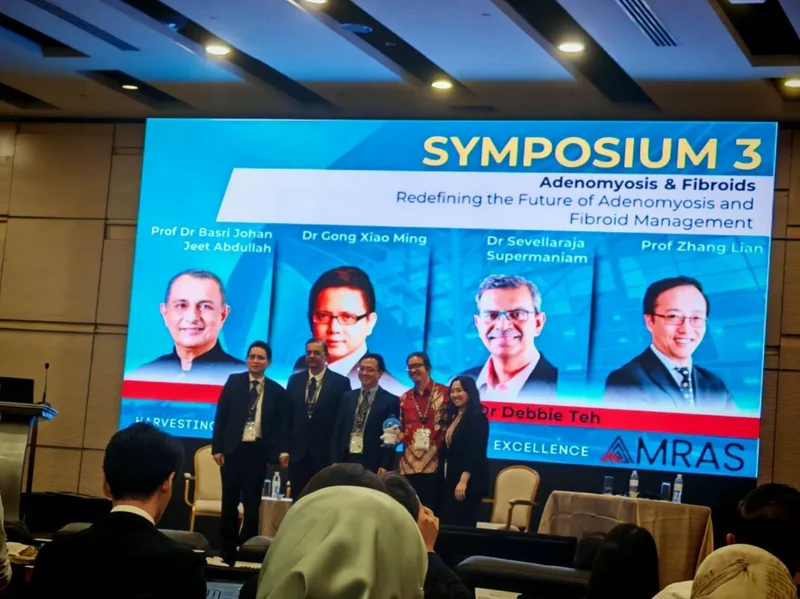
Dr. Sevellarajia Supermaniam, a renowned Malaysian obstetrician and gynecologist, summarized his experience in applying focused ultrasound ablation surgery to treat nearly 1,000 patients. He shared predictive factors for successful HIFU treatment, including imaging biomarkers and patient selection, as well as which patients with fibroids or adenomyosis are more suitable for focused ultrasound ablation so that patient benefit can be maximized.
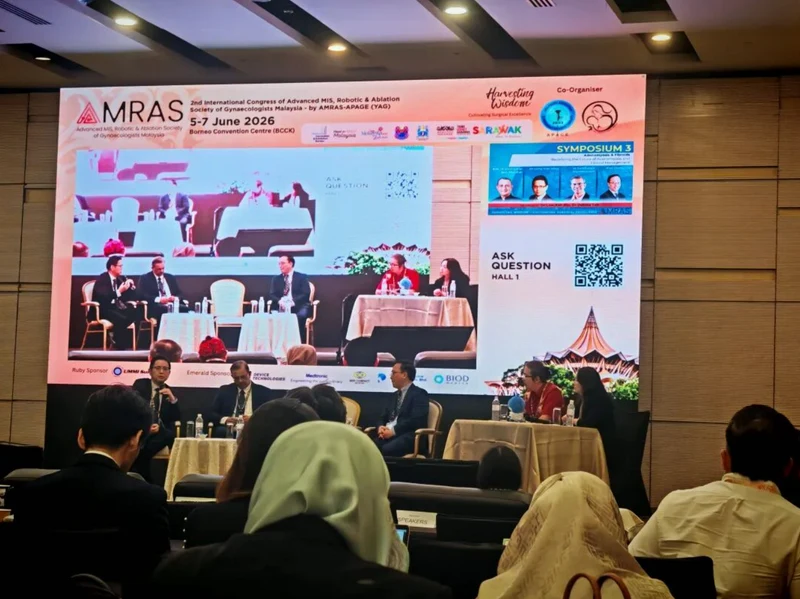
In this session, Dr. Gong Xiaoming from China shared information on complications related to ablation surgery, while Professor Basri Johan Jeet Ab from Malaysia,via a recorded lecture video,shared the latest technological advances in uterine artery embolization. The three experts presented then answered questions from the audience.
The clinical application scenarios of different technologies were a key topic of discussion. Experts agreed that each type of technology has its own specific indications. In clinical practice, physicians should fully consider each patient's individual circumstances, objectively explain the advantages and limitations of different treatment methods, offer patients all possible options and recommend the most appropriate treatment approach.